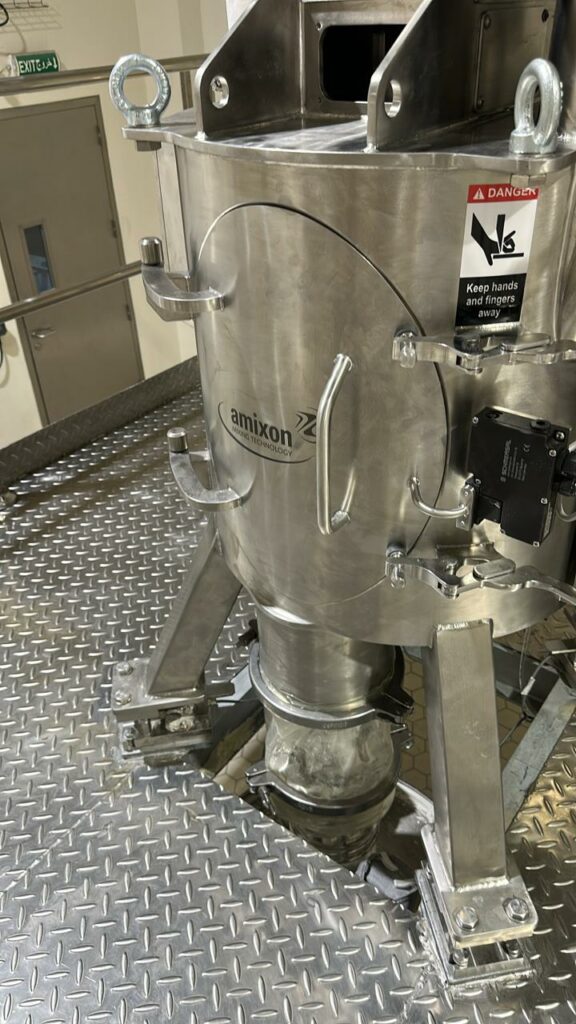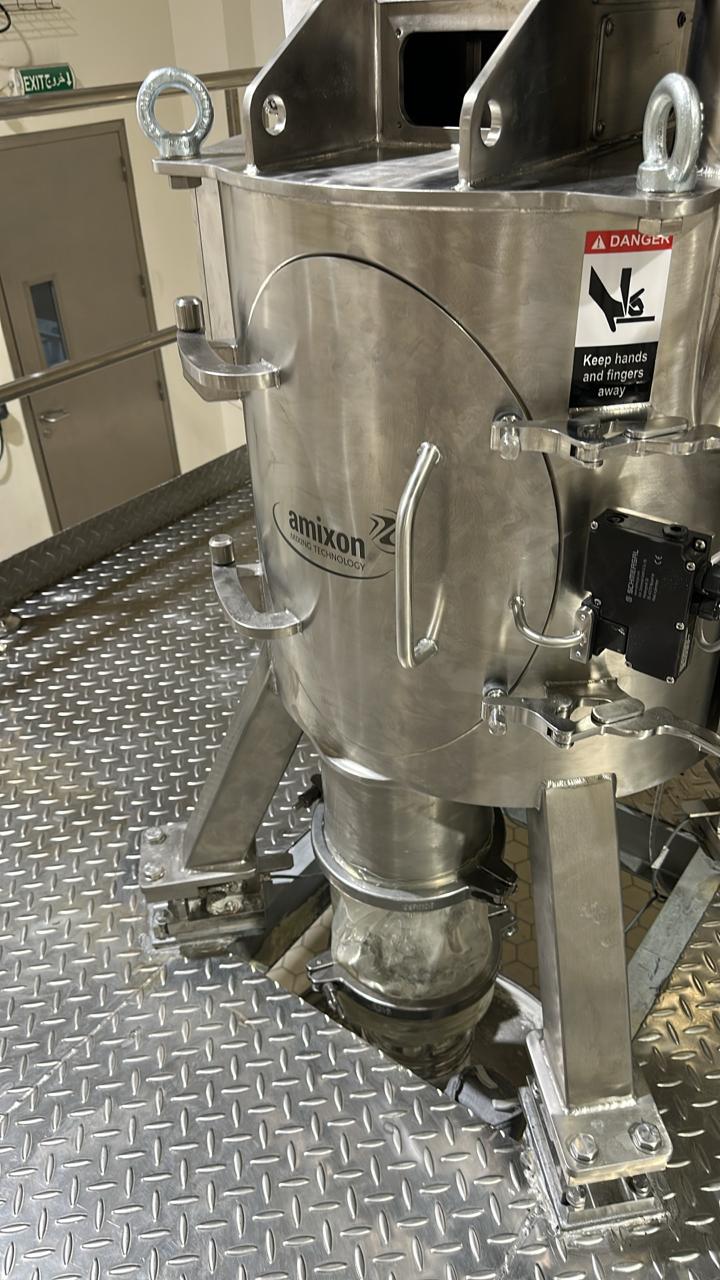


A new dimension. A fully automated baby formula production line for one of the largest dairy companies in the Middle East.

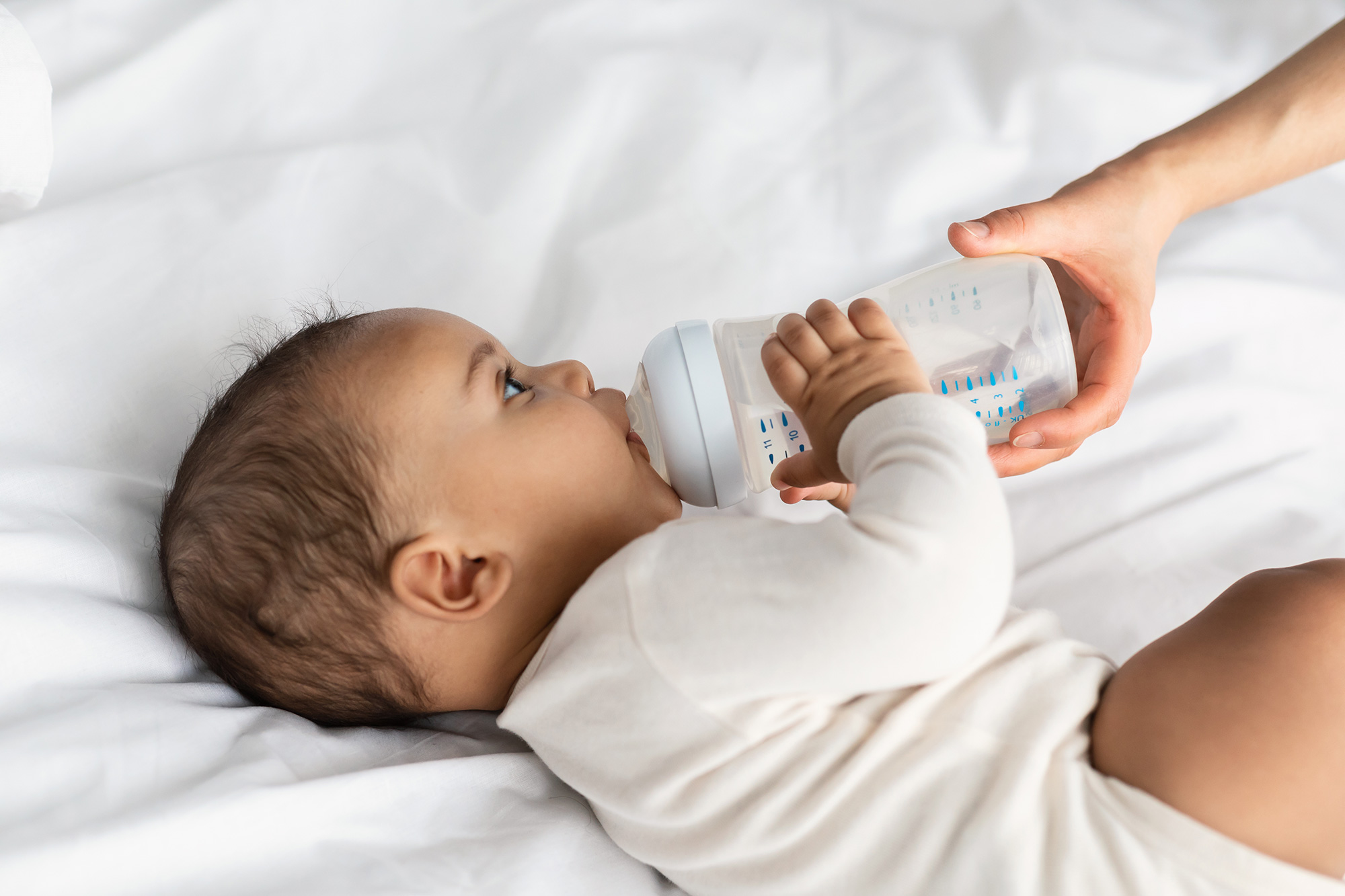
Automating a new production line for milk powder is one thing. Integrating a 100% self-sufficient baby food line into one of the world’s largest dairy plants in just two weeks is something else entirely. The goal was to expand the existing facility with a new, state-of-the-art filling line for 1-gram milk powder sachets. And not just anywhere, but in Riyadh, in the heart of Saudi Arabia, where hygiene and process efficiency are subject to extremely strict requirements. The 1-gram sachets are used for the initial care of babies in hospitals and reach over 120 million consumers worldwide every day.
20.000
Packages per hour

Requirements

Small bag, big ambitions.

Despite all efforts to improve cost-effectiveness and scale up production, high hygiene standards remained the clear focus of our automation at all times and had to be ensured around the clock and in every batch. To produce the 1-gram pouches, the system had to be physically rebuilt and automated from the ground up—from production to the filling of baby food, including SAP integration, order management, full automation with track-and-trace capabilities, and batch traceability.

Integration with SAP

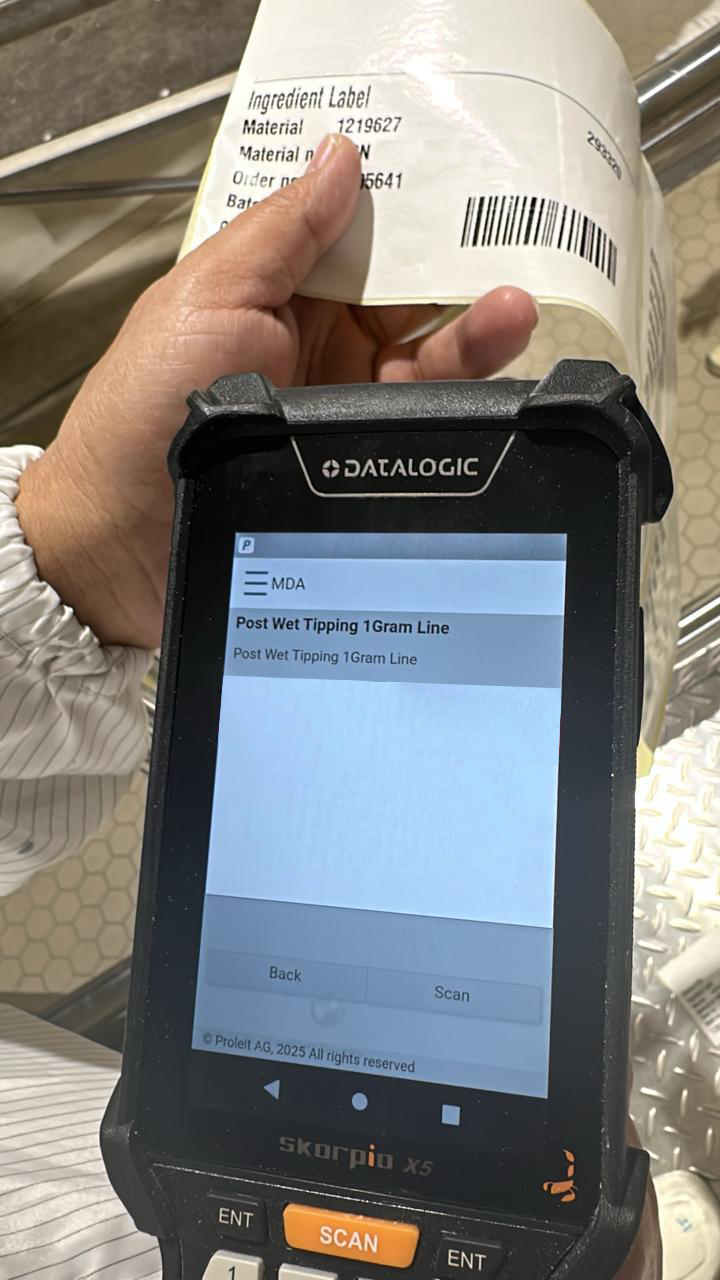
Expansion of the SAP interface and integration with order transfer and automatic scanning of ingredients.

Packaging labeling

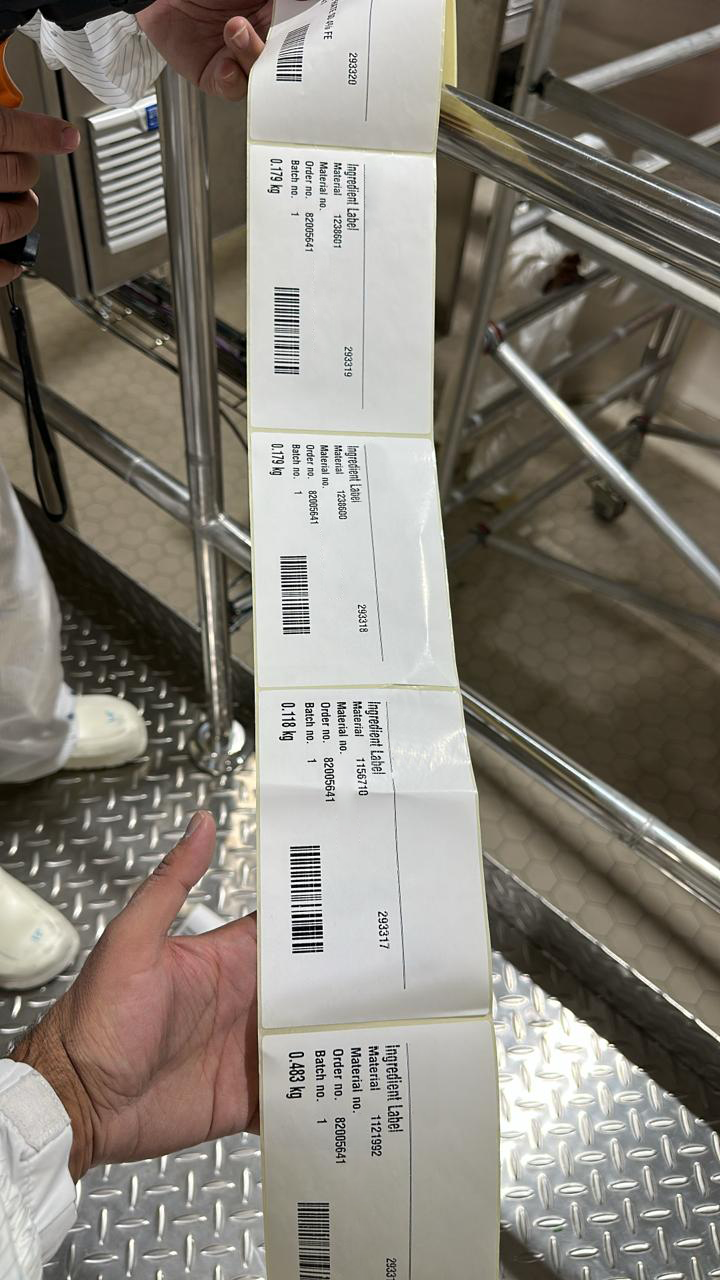
Fully automated labeling of the 1-gram pouches, packaging, and cartons in real time, including a timestamp.

Supply

Continuous supply of production data to the physical equipment (mixers, fillers, printers, etc.).

100% Traceability

Recording production data from individual production machines and reporting order-related data to the SAP system.

“From scratch.” A comprehensive and fully automated end-to-end software solution.

Our automation system covers all processes involved in milk powder production—from order management via SAP integration, through high-precision process communication in the areas of weighing, scanning, and transferring to the mixer, to real-time material and silo tracking in the order archive.
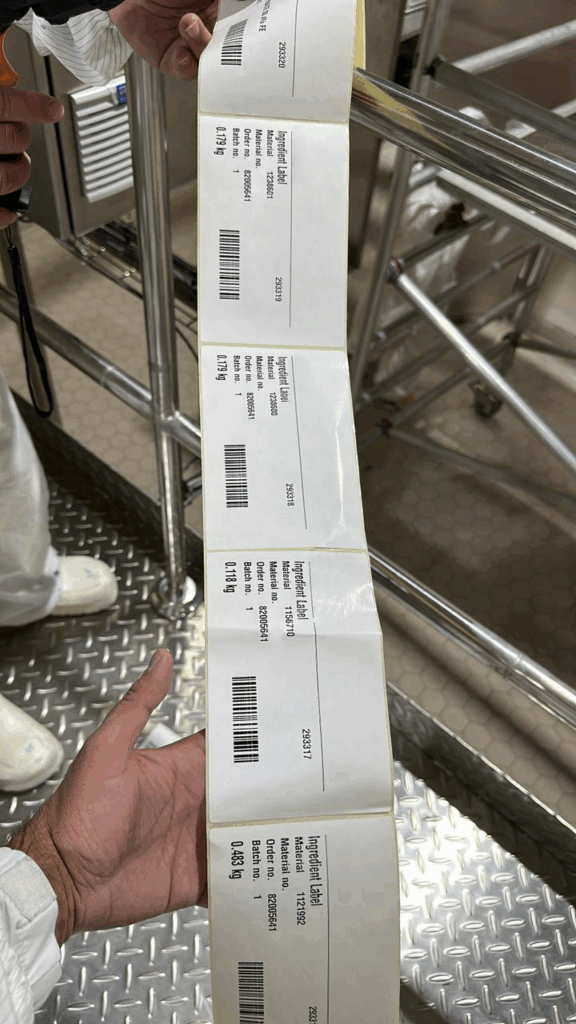
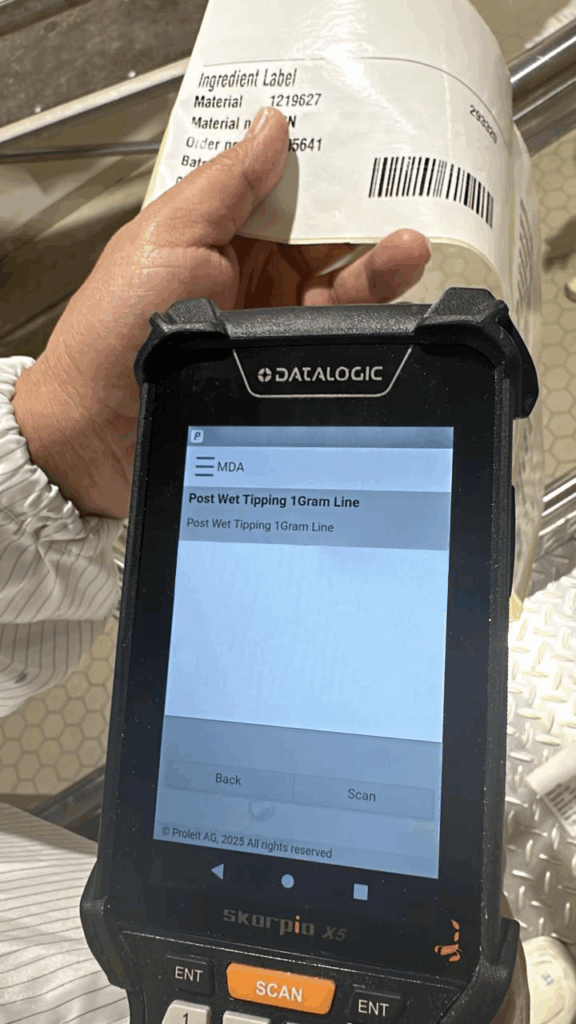
The first step was to integrate the system with the existing SAP system, where orders can now be created effortlessly and produced fully automatically all the way through to the printed label. The operator no longer needs to enter any data; the order is sent from SAP to Plant iT and executed according to the stored recipe. Subsequently, all label printers are automatically supplied with the corresponding batch data and can print up to 20,000 packages per hour at peak capacity.

Integration with the SAP system

1. Expansion of the SAP interface

2. Breaking down the entire SAP order into process areas

Process automation

1. Creating the process procedure in Plant iT

2. Expanding the weighing screen

3. Connecting and synchronizing the mixer and filling machine

4. Recording via scanning software

Labeling

1. Printing ingredient labels

2. Connecting printers for inner and outer packaging

3. Developing software for pallet labels

Documentation

1. Recording of all analog values, production data, and pallet labels

2. Expansion of the Track & Trace system for batch traceability of ingredients

3. Reporting of all produced quantities to the SAP system

They're building a black box. We need to make sure all the interfaces are working.

Jens FiebigProkurist und Projektleiter

Porträt eines freundlich lächelnden Mannes im weißen Hemd.

Whether forward or backward

100% traceability with just one click.

Every step of the process and every ingredient in milk powder production is seamlessly recorded and tracked via Track & Trace. With a single click, the operator receives valuable real-time information on order numbers, batch numbers, or details about which ingredients from which batch have been processed. Thanks to our automation, quality assurance can be performed both forward and backward. This is particularly helpful because documentation requirements are especially stringent in the baby food sector, and process descriptions are mandatory.

The cleanliness protocol is extremely important. For example, the entire facility is thoroughly sterilized with alcohol before and after milk powder production. In a predominantly Muslim country, this poses a particular challenge involving numerous approval processes.

Jens FiebigProkurist und Projektleiter
39.000
Daily quality test

Clear efficiency gains in the process

Committee per year

Standstill

With the 1-gram pouch line, we are introducing an extremely small packaging unit into the dairy’s facility for the first time. Thanks to our automation, milk powder production can be operated with a minimum of staff. As a result, skilled workers can now be deployed in other areas. Manual adjustments, data entry, and checks are a thing of the past; even the label printers are automatically supplied with all batch data. In this way, the dairy achieves massive savings in labor costs while also benefiting from a significantly more efficient process with minimal waste and operator errors.

automation excellence

A complex, end-to-end solution was implemented in two weeks and coordinated with all trades.

Interface coordination

From master plan to commissioning in just two weeks—thanks to the precise synchronization of extremely complex processes.

Cultural characteristics of the country

When it comes to sterilization, there is one clear difference compared to Europe: there are no automation specialists here. This naturally raises expectations even higher for smooth, simple, and safe process automation.

Software excellence

Standards won’t get you very far on a project this complex. Our custom SQL and PLC code was the key to automation and integration into the overall system.

100% Process automation

The entire process is fully automated—from the integration of the SAP interface and recipe-driven powder production to the printed label with all documentation.

Get in touch with us